
The pace of technological change is astonishing. Twenty years ago, some of the jobs we see flourishing today would have sounded like science fiction. Back then, the world was just getting to grips with dial-up internet, mobile phones with physical keyboards and DVDs as the height of entertainment. Fast forward two decades and technology has redefined how we work, communicate and live.
In the last 20 years, entirely new professions have emerged. These jobs are not just reshaping industries, they are creating opportunities for people to build exciting, fulfilling careers. If you’re curious about what’s new in tech and where the future might take us, let’s dive into some of the roles that simply didn’t exist two decades ago.
Social Media Manager
In 2004, Facebook had just been launched, and MySpace was all the rage. Fast forward to today and social media has become an essential tool for businesses. Brands now rely on platforms like Instagram, TikTok and LinkedIn to connect with audiences. Social media managers strategise, create content and analyse performance to grow a brand’s online presence.
It’s a role that combines creativity, analytics and a deep understanding of human behaviour. Twenty years ago, no one could have predicted just how influential social media would become.
Artificial Intelligence Specialist
Artificial intelligence has moved from being a sci-fi concept to something we use every day. Think about virtual assistants like Siri or Alexa or recommendation algorithms on Netflix. AI specialists work on developing and refining these systems. Their work involves programming machines to “learn” and make decisions based on data.
This is a field that’s constantly expanding, with opportunities in healthcare, finance, entertainment and more. The best part? AI is still in its early days, which means there’s so much room for innovation.
Virtual Reality Developer
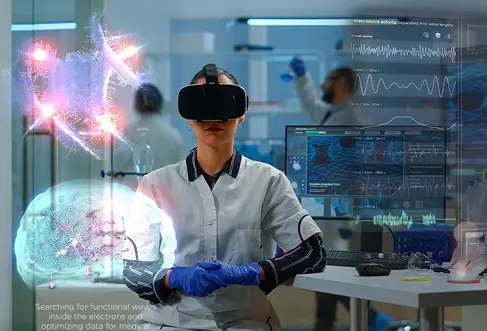
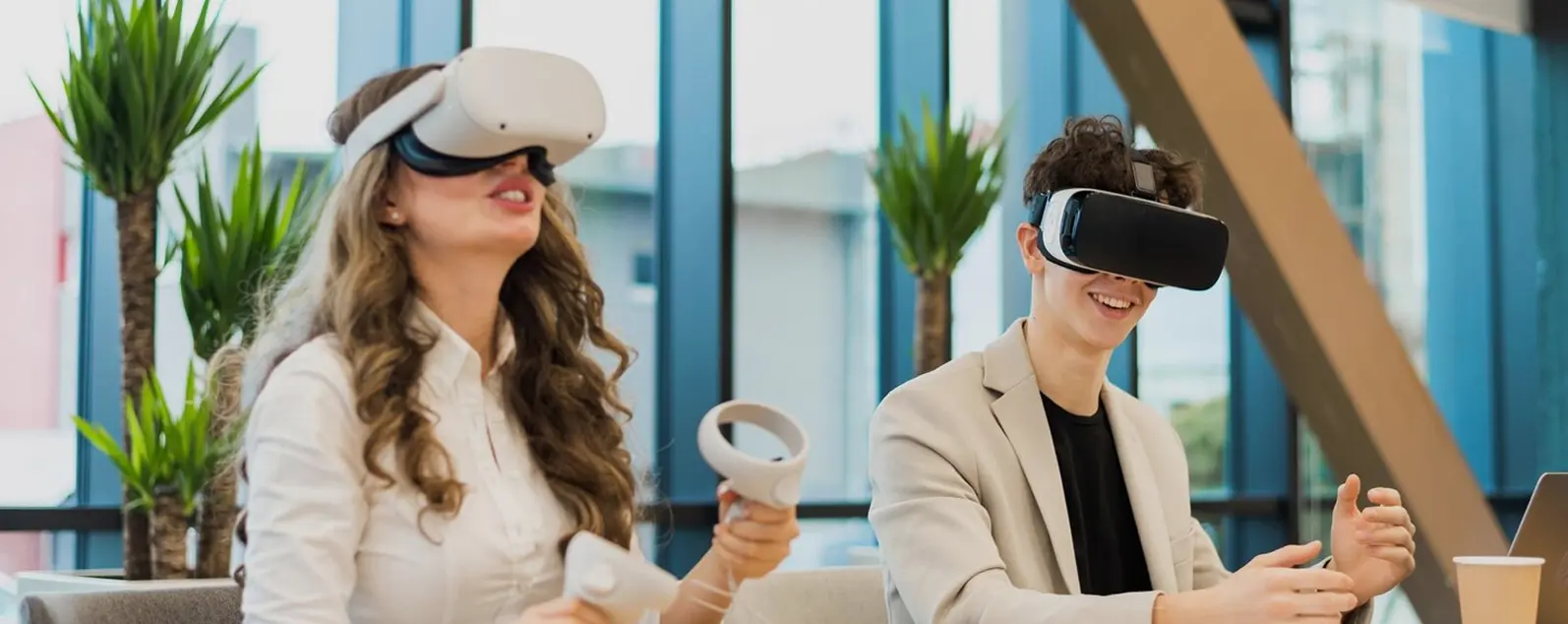
Virtual reality has transformed from a niche gaming concept to a tool with endless applications. VR developers create immersive experiences for industries like healthcare, education, real estate, and entertainment. They design everything from virtual training simulations to interactive gaming worlds, blending creativity with cutting-edge technology. As VR continues to grow, so do the opportunities for those who can bring virtual worlds to life.
Cloud Architect
Twenty years ago, the idea of storing your files somewhere you couldn’t physically see felt strange. Today, cloud storage is the backbone of modern computing. Cloud architects design systems to help businesses store and access their data securely online.
From small startups to global corporations, companies rely on cloud architects to keep their systems running smoothly. It’s a role that demands technical expertise, problem-solving skills and the ability to think about scalability.
Data Scientist
The term “big data” didn’t exist in the early 2000s. Now, we’re producing data at an incredible rate, and companies are desperate to make sense of it. Data scientists collect, analyse, and interpret complex data to help organisations make better decisions.
From predicting consumer behaviour to detecting fraud, the work of a data scientist has become integral to nearly every industry. It’s a role for those who love numbers, patterns, and turning chaos into clarity.
Cyber security Analyst
As technology has advanced, so have the threats to it. Cyber security analysts work to protect sensitive information and systems from attacks. With more of our lives happening online, this role has become critical.
From safeguarding personal data to protecting national infrastructure, cyber security analysts are the unsung heroes of the tech world. Twenty years ago, hackers and cyberattacks felt like niche concerns. Now, they’re front and centre.
UX Designer
The way we interact with technology has become just as important as the technology itself. User experience (UX) designers focus on making websites, apps, and other digital products intuitive and enjoyable to use.
This role blends creativity with psychology, requiring professionals to understand how people think and behave. Whether it’s designing a seamless shopping experience or a health app that helps patients, UX designers ensure technology works for everyone.
Takeaway
The tech world is full of possibilities. What’s most exciting is that these roles didn’t just appear, they were created by people responding to change. As technology continues to evolve, so will the opportunities it brings.
If you’re considering a tech career, don’t feel confined by traditional roles. Look to the future. The job you’re dreaming about might not even exist yet.